
“What exactly is Modal?”
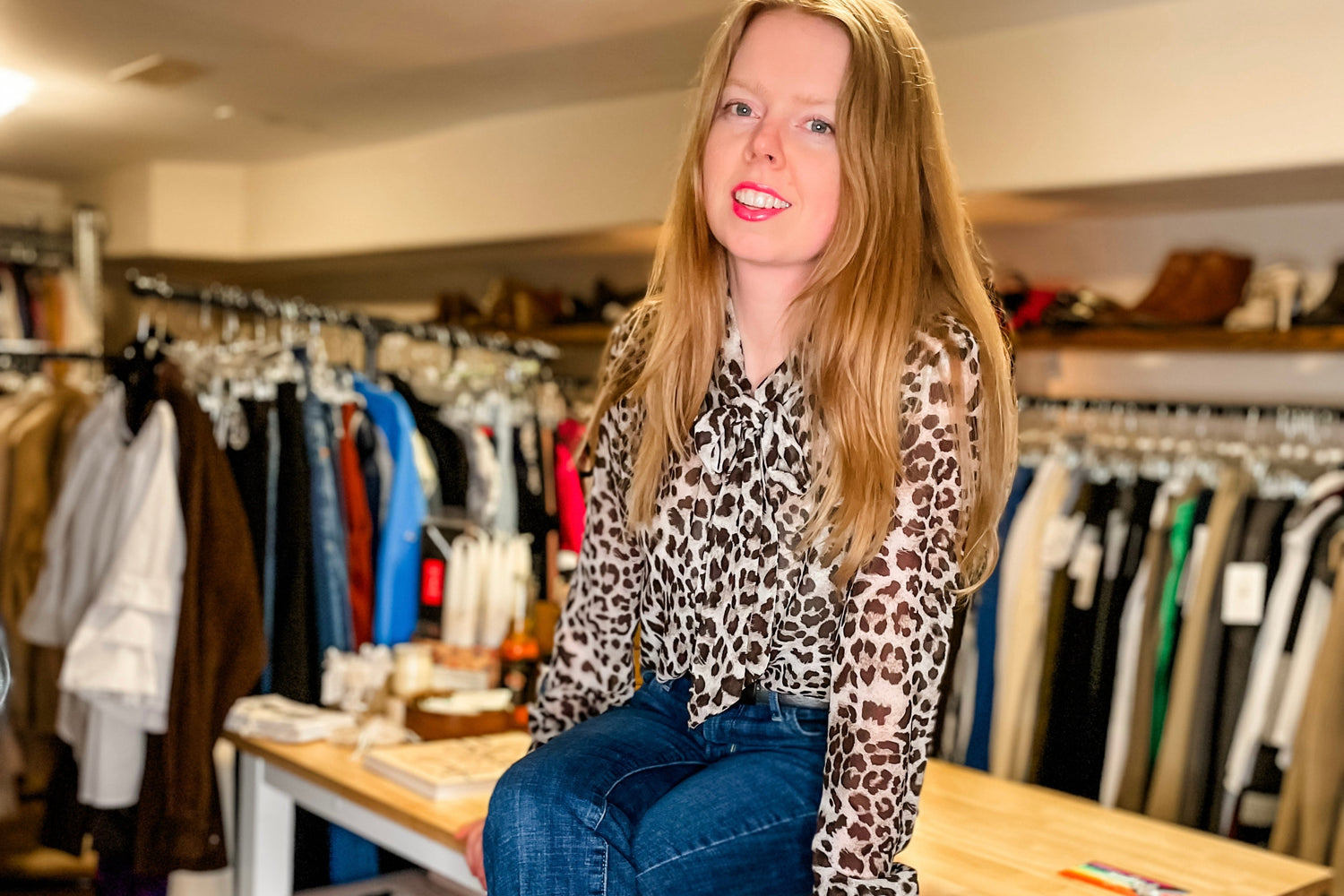
A friend asked me this while shopping in the boutique over the weekend. Another friend who was there had never even heard of it—until she touched a Modal T-shirt.
Then she felt how incredibly soft it was, fell in love and bought the tee.
Honestly, that is a very Modal experience. You may not recognize its name, but once you feel it, you understand why people love wearing it.
What is Modal fabric?
Modal is a type of man-made cellulosic fibre. That means it begins with cellulose derived from wood pulp, which is then processed and regenerated into wearable fibres.
It sits in the same broad fibre family as viscose and lyocell. Modal is often made using beechwood, although the exact source and production practices depend on the manufacturer.
So, is Modal natural or synthetic? The most accurate answer is: it comes from a plant-based source, but it requires industrial processing to become fabric. It isn’t a natural fibre like linen or cotton, but it also isn’t a petroleum-based synthetic like polyester.
What does Modal feel like?
Modal is known for feeling:
- Exceptionally soft and smooth
- Lightweight and comfortable
- Breathable against the skin
- Fluid and beautifully draped
- Less stiff than many cotton fabrics
It’s frequently used for T-shirts, underwear, sleepwear, dresses and other pieces designed to sit softly against the body. It may also be blended with cotton or a small amount of elastane to change its structure, stretch or durability.
That drapey softness is exactly why my friend had such an immediate reaction to the tee in the boutique. Sometimes a fabric label doesn’t mean much until you actually feel the garment.
Is Modal sustainable?
This is where the answer needs a little nuance.
Modal can offer some appealing qualities compared with fossil fuel-derived fabrics. Its main raw material is renewable wood cellulose rather than petroleum, and the fabric is soft and breathable without relying entirely on plastic fibres.
However, the word Modal on a label does not automatically make a garment sustainable.
The environmental impact depends on questions such as:
- Where did the wood pulp come from?
- Was it sourced from responsibly managed forests?
- Which company produced the fibre?
- How were chemicals, wastewater and emissions managed?
- Is the Modal blended with polyester, nylon or another synthetic fibre?
- How well was the garment made, and how long will it be worn?
Organizations including Textile Exchange and Canopy encourage responsible forest sourcing, strong chemical management and greater supply-chain transparency for Modal and other man-made cellulosic fibres.
You may also see TENCEL™ Modal on some labels. TENCEL™ is a branded fibre produced by Lenzing, not another generic name for every Modal fabric. When brands identify the actual fibre producer or provide recognized sourcing information, it gives shoppers more detail than the word “Modal” alone.
How does Modal compare with cotton?
Modal often feels silkier and has more fluid movement than a standard cotton jersey. Cotton can feel crisper or more structured, depending on how it is spun and knitted.
Neither fibre is automatically the “better” choice. I would also consider the garment’s construction, fibre source, comfort, care requirements and whether it is something you will genuinely wear.
A well-made pre-loved Modal tee you adore and wear repeatedly can be a much more practical choice than a supposedly “perfect” new garment that spends its life forgotten in your closet.
How to care for Modal clothing
Always check the garment’s care label first, especially when Modal is part of a blend.
In general, gentle care can help it last:
- Wash in cold water on a gentle cycle
- Use a mild detergent
- Avoid over-washing when the garment isn’t dirty
- Air-dry when possible
- Avoid excessive heat, which can be hard on fibres and stretch
- Store knits folded if hanging causes them to lose their shape
A laundry bag can also help protect lightweight or particularly delicate pieces from friction in the washing machine.
Should you buy Modal?
If you love soft, breathable clothing with beautiful drape, Modal may be a fabric worth looking for—especially when you can find it pre-loved.
My advice is to avoid judging any garment by one word on its label. Feel it. Check the full fibre composition. Look at how it was made. Consider how you will care for it and whether it fits comfortably into your real life.
Because sustainability isn’t just about finding a “good” fabric. It’s also about choosing clothing you love enough to wear, care for and keep.
And sometimes, as my friend discovered this weekend, it only takes touching one wonderfully soft Modal tee to find a new favourite.
I’m Robyn, the founder of Le Prix. I have a Master’s in Environmental Studies and have spent more than 14 years helping people explore fashion through a more sustainable lens. Le Prix is a Canadian, female-founded and disabled-owned small business specializing in curated pre-loved fashion and thoughtfully selected lifestyle products.
Curious about a fabric in your closet? Send me a message or bring your questions to your next private shopping appointment. I love helping people understand what their clothing is actually made from.
Sources and further reading: Textile Exchange: Man-Made Cellulosic Fibres and CanopyStyle.